
Seasonal allergies & hay fever
During pollen season, the nasal lining can be more exposed to pollen, dust, dry air and other environmental triggers. The Seasonal allergies & hay fever category helps customers choose the right type of care depending on whether they are looking for internal seasonal support, a botanical and longer-term approach, or targeted care for the nose and eyes.
Here you will find quercetin, bromelain, vitamin C and bioflavonoids, alongside botanical products, black seed, nettle, spirulina, probiotics and functional mushrooms. A dedicated part of the range focuses on local nasal care: sea-water sprays, xylitol sprays, nasal rinses, propolis-based care, herbal nasal sprays and barrier products.
In this category, PraveBio.cz does not offer registered OTC allergy medicines. The selection focuses on food supplements, natural seasonal support, nasal hygiene and mucosal care during periods of higher pollen exposure. These products are not intended to treat allergies or hay fever; they help customers choose an appropriate type of care according to their individual needs.


Product sorting
Brands
List of products

![NORTH AMERICAN HERB & SPICE - RAW Tekutý vitamin C (nejen) pro děti - KIDS-C Plus [60 ml]](https://cdn.myshoptet.com/usr/www.pravebio.cz/user/shop/detail/2132_north-american-herb-spice-raw-tekuty-vitamin-c--nejen--pro-deti-kids-c-plus--60-ml-.png?66db503c
)

Raw elderberry extract is rich in vitamin C and ORAC units. It has a cleansing effect...
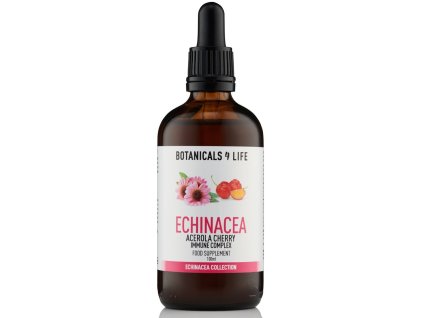
A potent tincture extracted from the herb Echinacea and the exotic acerola cherry. 100%...

This nasal spray with propolis and eucalyptus oil helps moisturize the nasal mucosa and...


An innovative product using traditional fermentation of organic sprouted soybeans. This...

Discount reason: Best before date 12/2025 Freeze-dried colostrum usually remains...

Fermented symbiotics with kefir and kombucha go far beyond the function of probiotics....

Propolis nasal spray with Anatolian propolis (10%) offers a pure composition without...
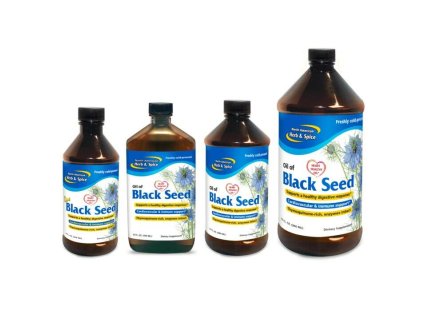

Turmeric is called the "king of herbs" and is especially valued for its...


Your Flora GOLDSPICE (known as golden spice) was developed as a dietary supplement for...
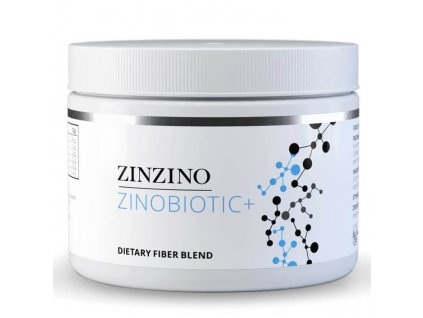


PurovitalisTM Quercetin capsules are wrapped in liposomes to enhance absorption and...
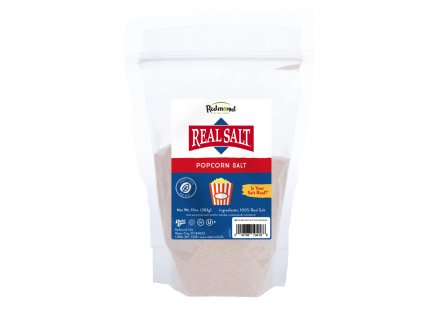
Ultra finely ground, unrefined natural sea salt with a rich mineral composition -...

Reishi spores are rich in triterpenes with calming effects whilereishi berries contain...

How to choose products during pollen season
When choosing products, it helps to understand whether the customer is looking for internal seasonal support, a longer-term botanical or mushroom-based approach, or direct care for the nose and eyes.
- Quercetin, bromelain, vitamin C and bioflavonoids are usually introduced before the expected rise in pollen exposure or at the start of the season. For tree pollen, this may be as early as February to March; for grass pollen, most often April to May; and for late-summer herbs and weeds, approximately July to August. In practical terms, this usually means starting around 2–4 weeks before the period that tends to be most challenging for the individual.
- Botanical products, green superfoods, selected probiotics, colostrum and functional mushrooms are better suited to a longer-term approach. They are worth considering several weeks before periods of higher pollen exposure, or using consistently throughout the season, especially when the customer is looking for broader support for the body, nutrition and the microbiome. They are not intended for immediate relief from acute allergy symptoms; their place is in regular seasonal care.
- Sea-water nasal sprays, xylitol sprays, saline rinses, herbal nasal sprays, propolis-based care and barrier products are mainly used when the nose is in direct contact with the environment: before going outdoors, after returning home, when travelling, in dry air, or on days when the nasal lining is more exposed to pollen and dust.
For easier navigation, the category is divided into three sections: Fast seasonal support, Botanicals, mushrooms and longer-term support and Nose, eye and local care. This structure helps distinguish between products for internal support, a broader seasonal approach and direct care for the nasal passages, so very different types of care are not presented as one universal solution.
Fast seasonal support: quercetin, bromelain, vitamin C and bioflavonoids
This section includes products that customers often introduce at the start of pollen season or during periods of higher pollen exposure. The most common ingredients are quercetin, bromelain, vitamin C, rutin, citrus bioflavonoids and other plant polyphenols. These nutrients are often combined in food supplements because they form a clear foundation for internal seasonal support.
Quercetin is a plant flavonoid naturally found in foods such as onions, apples, tea and certain herbs. In supplements, it is often paired with bromelain, an enzyme derived from pineapple, and vitamin C. This combination is popular because it offers a straightforward seasonal option without the need to combine several separate products.
Vitamin C has authorised health claims in the EU: it contributes to the normal function of the immune system and to the protection of cells from oxidative stress, provided the product meets the conditions for using these claims. In the context of pollen season, this makes vitamin C valuable not only nutritionally, but also from the perspective of responsible communication. Food supplements cannot be presented as treating allergies, hay fever or replacing antihistamines. Their composition, use and role in seasonal care can, however, be explained clearly and accurately.
In our selection, this direction is represented by products from brands such as Naturtreu, L Cell, Purovitalis and selected products from Zinzino. When adding products to this section, we look at dosage, the form of active ingredients, formula cleanliness, unnecessary additives and the overall structure of the product. A product does not belong here simply because it contains a popular ingredient; it must offer customers a clear, well-formulated option for periods of higher pollen exposure.
Botanicals, mushrooms and longer-term support
Not every customer wants to start with one isolated ingredient. Some prefer a broader approach that brings together herbalism, mycology, nutrition, the microbiome and everyday care for the body. This section therefore includes nettle, black seed, perilla, turmeric, spirulina, selected probiotics, colostrum and functional mushrooms such as reishi or cordyceps.
This section is not intended for immediate relief from acute allergy symptoms. It is more suitable for customers who want to follow a longer-term approach during periods of increased sensitivity, when the body may respond more strongly to pollen, dust, weather changes, dry air or environmental stress. Botanical products, green superfoods, selected probiotics, colostrum and functional mushrooms are not presented here as allergy treatments, but as part of considered seasonal care.
Nettle has a long tradition in European herbalism and is often associated with spring, cleansing and seasonal sensitivity. Black seed, or Nigella sativa, is well known in traditional nutritional and herbal practices; modern research is interested, among other things, in its content of thymoquinone and other naturally occurring compounds. Spirulina is a green food often chosen in connection with nutrition, vitality and antioxidant support.
Selected probiotics and colostrum are included here within a broader nutritional and microbiome context. They are not core products for pollen allergy, but supplements that may be part of longer-term care for the body. With probiotics, it is important to look at the specific strains, dosage and overall composition. With colostrum, we look at origin, gentle processing and clearly stated raw-material quality.
Reishi is one of the best-known functional mushrooms. In traditional mycology, it is associated with long-term vitality, balance and resilience. Modern research into Ganoderma lucidum looks at compounds such as polysaccharides, beta-glucans, triterpenes and other bioactive constituents. In this category, we present it as part of a broader mycological and nutritional context, not as a primary product for pollen allergy.
This area of our selection is represented by brands such as Living Nutrition, Mushrooms for Life, North American Herb & Spice, ENERGYbits and other producers where we assess ingredient origin, processing method, formula cleanliness and the specific reason why the product belongs in this category.
Nose, eye and local care during pollen season
Local care has a particular role during pollen season because the nasal lining and eyes are in direct contact with the surrounding environment. Pollen, dust, dry air, animal allergens and outdoor particles first meet these areas. This is why this section includes sea-water nasal sprays, xylitol sprays, saline rinses, nasal rinse bottles or pots, herbal nasal sprays, propolis-based care and barrier products for the nose area.
Nasal sprays and saline rinses have a different purpose from food supplements. They are not internal nutrition for the body; they work locally. They help care for the nasal passages, moisturise the nasal lining, rinse the nose after time outdoors and mechanically remove particles from the surrounding environment. This practical function explains why they have a firm place in the category, even though they are not food supplements.
Sea water and saline solutions are mainly used for everyday nasal hygiene. Xylitol nasal sprays offer a more modern form of local care and are often chosen during dry air exposure, time in air-conditioned spaces, travel or periods of higher pollen exposure. Herbal nasal sprays and propolis-based products are suitable for customers who prefer natural local care and a simple formula.
Bee&You belongs here thanks to its nasal products with Anatolian propolis A.P.E.®, sea salt and a clear formula. Propolis A.P.E.® is a key ingredient for Bee&You: the brand works with traceability from beekeeper to finished product, its own research and development, and a standardised approach to Anatolian propolis. In this category, we present it as local care for the nasal lining during periods of pollen, dust and dry air.
Products from North American Herb & Spice may also sit within local care, provided their composition and method of use are appropriate for nasal care. With herbal, propolis-based or aromatic nasal products, individual sensitivity always needs to be considered. Products containing propolis are not suitable for people allergic to propolis or bee products. With concentrated botanical ingredients, we recommend starting carefully and following the manufacturer’s instructions.
Saline rinses, nasal irrigation and Real Salt
Saline nasal rinses have a simple practical role during pollen season: after time outdoors, they can help rinse pollen, dust and other environmental particles from the nasal passages. Ready-made rinse systems have the advantage of a pre-measured sachet or solution. If a customer uses loose salt, the correct ratio, complete dissolution and water quality are essential.
Real Salt may be used to prepare a saline solution at home only if the customer knows how to make a gentle isotonic solution for nasal irrigation. The salt must be fully dissolved and the solution must not be too concentrated, otherwise it may irritate the nasal lining. If the customer is unsure about the salt ratio or rinsing technique, a ready-made isotonic solution or sachets designed specifically for nasal rinsing are the safer choice.
For nasal irrigation, it is essential to use only sterile, distilled, or previously boiled and cooled water. Do not use water straight from the tap. The rinse bottle or pot should be washed after use, allowed to dry thoroughly and maintained regularly according to the manufacturer’s instructions.
How PraveBio.cz chooses products
At PraveBio.cz, we choose products according to composition, ingredient origin, the form of active ingredients, manufacturer transparency, formula cleanliness and a clear reason for use. An attractive name or a popular ingredient is not enough. We look at why a particular ingredient is in the formula, what form it is used in, how it matches the customer’s needs and whether the way it is communicated remains expert, factual and responsible.
In this category, you will find products from brands such as Naturtreu with quercetin, bromelain and vitamin C; L Cell and Purovitalis with quercetin and other polyphenols; Living Nutrition with a fermented blend of reishi, nettle and turmeric; Bee&You with propolis-based care for the nasal lining; North American Herb & Spice with herbal nasal sprays, vitamin C and black seed; Mushrooms for Life with reishi and other functional mushrooms; ENERGYbits with spirulina and chlorella; Redmond with finely ground Real Salt for preparing saline solution at home; and selected products for the microbiome, digestion or colostrum, depending on the current range.
The purpose of this category is to help the customer distinguish when to choose an internal supplement, when to consider a botanical or mycological approach, and when local nasal care is the more appropriate starting point. This structure makes the selection easier and prevents very different products from being presented as a single universal answer.
Responsible use of food supplements and local care
Food supplements are not medicines and are not intended to treat allergies, hay fever or any medical condition. They may be part of broader care for the body, but they do not replace a varied diet, medical care, diagnosis or treatment recommended by a qualified professional.
If you take medication, are pregnant or breastfeeding, have a diagnosed medical condition, asthma, significant allergic reactions or long-term symptoms, consult a doctor or qualified professional before taking food supplements. Extra care is also appropriate with enzymes, botanical extracts, high-dose vitamin products and complex formulas.
With propolis products, individual sensitivity is important. Products containing propolis or other bee-derived ingredients are not suitable for people allergic to propolis or bee products. Always follow the manufacturer’s instructions when using nasal sprays, rinses and other local-care products.
Frequently asked questions about pollen season and natural support
What will I find in the Seasonal allergies & hay fever category?
You will find products for periods of pollen exposure, dust, dry air and increased sensitivity of the mucous membranes. These include food supplements with quercetin, bromelain, vitamin C and bioflavonoids, as well as botanical products, functional mushrooms, selected probiotics, colostrum and local care for the nasal lining.
Does PraveBio.cz sell allergy medicines in this category?
No. In this category, we do not offer SÚKL-registered over-the-counter allergy medicines, such as classic antihistamines or medicated nasal sprays from a pharmacy. The selection focuses on food supplements, nasal hygiene, botanical products, local care and natural support during pollen season.
Why is quercetin included in this category?
Quercetin is a plant flavonoid that customers often look for in connection with pollen season and seasonal sensitivity. In food supplements, it is often combined with bromelain, vitamin C or bioflavonoids. It is not a medicine for allergies and does not replace antihistamines.
What role does vitamin C play?
Vitamin C has authorised health claims in the EU: it contributes to the normal function of the immune system and to the protection of cells from oxidative stress, provided the product meets the conditions for using these claims. In this category, it is mainly used as part of internal seasonal support and antioxidant nutrition.
Why are herbs, black seed, nettle and spirulina included?
They are included because some customers prefer to approach pollen season more broadly rather than focusing on one isolated ingredient. Nettle, black seed, perilla, spirulina and turmeric belong to a botanical, nutritional and longer-term approach. They are not presented as allergy treatments, but as part of considered seasonal care.
Why are probiotics and colostrum included in this category?
Selected probiotics and colostrum belong here within a broader nutritional and microbiome context. They are not core products for pollen allergy, but supplements that may form part of longer-term care for the body.
Why are functional mushrooms included in this category?
Functional mushrooms, such as reishi or cordyceps, belong to a broader mycological and traditional context. In this category, we present them as part of longer-term support for vitality and everyday resilience, not as primary products for pollen allergy. With mushrooms, we look at origin, processing quality, extract type, polysaccharide content and the manufacturer’s supporting information.
Why are nasal sprays and rinses included?
Nasal sprays, sea-water products, xylitol sprays and rinses have a practical role during pollen season because they care directly for the nasal passages. They help moisturise the nasal lining, rinse the nose after time outdoors and mechanically remove environmental particles. They are not food supplements, but local-care products.
Why are Bee&You propolis products included?
Bee&You products with Anatolian propolis A.P.E.® belong to the local-care section. They are intended for customers looking for nasal care with propolis, sea salt and a simple formula. With propolis, individual sensitivity must always be considered; these products are not suitable for people allergic to propolis or bee products.
Can finely ground Real Salt be used for nasal irrigation?
Yes, finely ground Real Salt can be used to prepare a saline solution at home, provided it is fully dissolved and used in the correct ratio. For nasal irrigation, it is essential to use sterile, distilled, or previously boiled and cooled water, a clean rinse bottle and a solution that does not irritate the nasal lining. If you are unsure about the salt ratio or rinsing technique, a ready-made isotonic solution or sachets designed specifically for nasal rinsing are the safer choice.
Can several products be combined?
Some products can be combined, but dosage and overlapping active ingredients should always be checked. Extra care is appropriate with complex formulas, enzymes, botanical extracts, vitamin C, propolis products and probiotics. If you take medication or have health concerns, consult a qualified professional before combining products.
When should a customer consult a doctor?
A doctor or pharmacist should be consulted in cases of significant or long-term symptoms, shortness of breath, asthma, swelling, strong reactions, recurring eye problems or when allergy medicines are needed. Products in this category are not intended to treat allergies or hay fever.